They wanted a website.
They needed a different approach.
OneHope is an international organization that equips leaders around the world with training resources. Traditionally a print company, COVID-era supply chain disruptions forced them to explore digital distribution.
Their US headquarters team came to us with a straightforward request: build a website to host 12 leadership training modules for entrepreneurs in Africa.
The problem? A "straightforward website" would be anything but accessible to their actual users.
Understanding the field.
The US team was focused on the content. We helped them see the context. Through research and discovery, we mapped the actual conditions their users face:
Connection Speed
Many rural areas still rely on 2G networks. A typical webpage takes minutes to load—if it loads at all.
Data Cost
Mobile data in Africa can cost 5-10x more per megabyte than in the US. Every kilobyte matters.
Device Memory
Entry-level smartphones with limited RAM can't handle heavy JavaScript or large images.
A traditional website—or worse, PDF downloads—would exclude the very people they were trying to reach. But impossible? No. It just required a different approach.
Edge-first architecture.
We designed a solution that respected the constraints rather than fighting them:
- WordPress CMS for the US team to manage content easily—no technical expertise required.
- Aggressive optimization of every asset. No bloat. No unnecessary scripts. Every byte justified.
- Cloudflare edge caching across 25+ African points of presence. Content served from Johannesburg, Lagos, Nairobi—not a US data center.
- Cache-first delivery. Once published, each module lives at the edge. Updates clear the cache; users always get the fastest path.
per module delivered
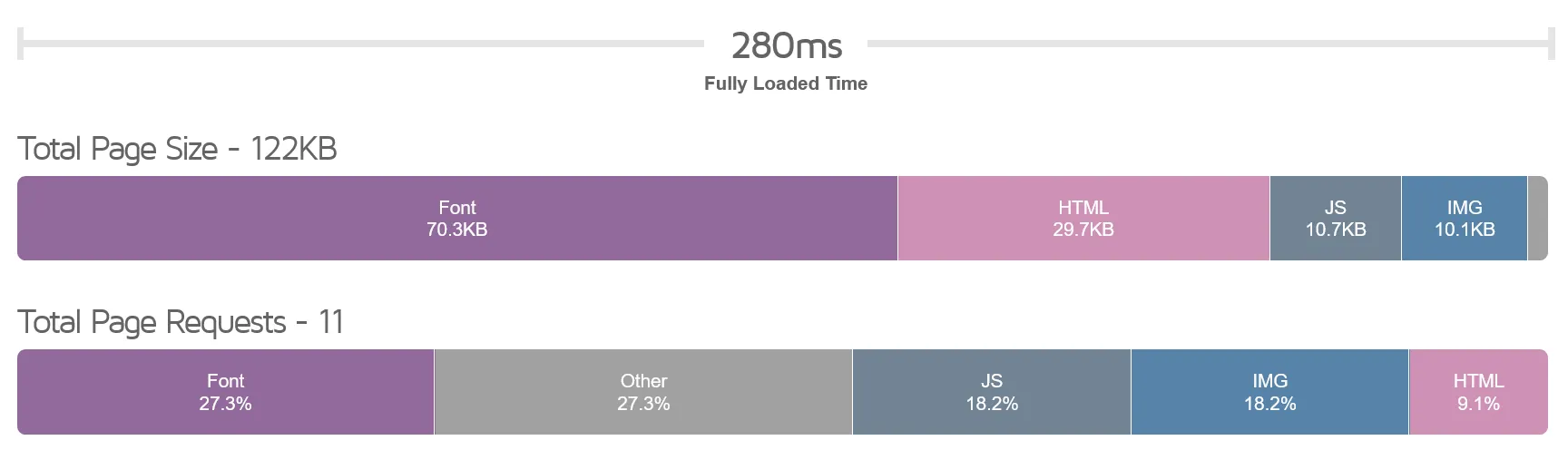
Each of the 12 leadership training modules—previously impossible to distribute digitally—now loads in under 200 kilobytes. That's smaller than most single images on the web. Accessible on 2G. Affordable on metered data. Reachable in villages where PDFs never could go.
Context changes everything.
OneHope came to us asking for a website. What they needed was someone to help them understand their users' reality—and then architect a solution that worked within it.
The US headquarters team had the content expertise. We brought the technical context. Together, we turned "impossible" into "under 200 kilobytes."